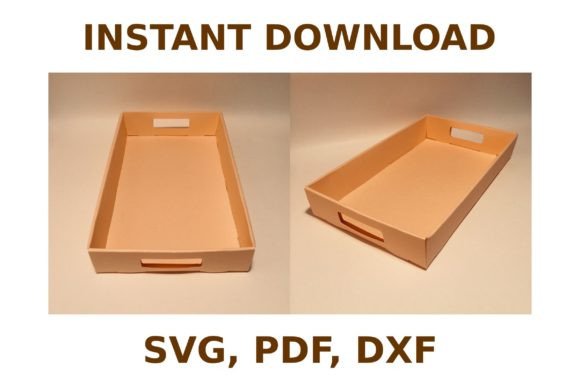
Paper Tray Template: Precision Cutting for Professionals
There is a distinct satisfaction in holding a finished product that fits together perfectly, where every fold aligns and every edge meets with precision. For creators, small business owners, and hobbyists who work with physical materials, achieving this level of accuracy often separates a professional result from an amateur one. This is where a reliable Paper Tray Template becomes an indispensable asset in your workflow. Whether you are packaging handmade soaps, organizing office supplies, creating custom gift boxes, or prototyping a new product line, the foundation of your project lies in the quality of your cutting files.
The modern maker ecosystem relies heavily on digital tools to bridge the gap between concept and reality. A high-quality template does more than just provide a shape; it streamlines the entire production process. When you utilize a comprehensive set of files designed specifically for cutting machines, you eliminate the guesswork involved in manual measurement and drafting. This allows you to focus on the creative aspects of your project—such as material selection, branding, and assembly—rather than struggling with geometry and alignment errors.
Streamlining Production with Universal File Formats
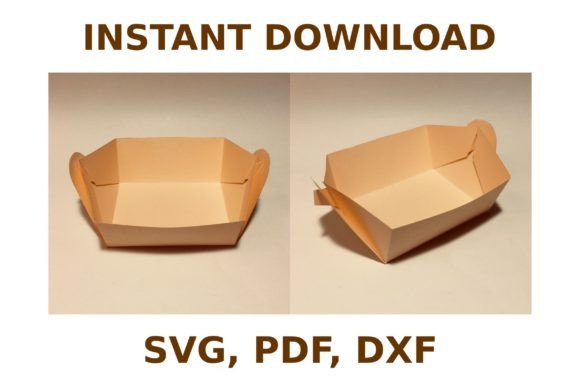
One of the most significant advantages of using a professional-grade template pack is the versatility offered by the file formats included. In this specific collection, the ZIP archive contains SVG, DXF, and PDF files, ensuring compatibility across a wide range of software and hardware setups. This diversity is crucial because not every creator uses the same tools. Some professionals rely on vector-based design software like Adobe Illustrator or Inkscape, which thrive on SVG and DXF formats for scalable, crisp lines. Others may prefer the simplicity of opening a PDF directly in a viewer before sending it to print or cut.
For those invested in the popular desktop cutting machine market, compatibility is non-negotiable. These templates are fully compatible with Silhouette and Cricut devices, the industry standards for home and small-business crafting. When a file is optimized for these machines, it means the cut paths are clean, the nodes are placed logically, and the software recognizes the shapes without needing excessive manual cleanup. This seamless integration saves valuable time during the setup phase. Instead of spending hours tracing images or correcting broken paths, you can import the file, select your material settings, and begin cutting almost immediately. This efficiency is particularly vital for entrepreneurs fulfilling orders or educators preparing materials for a classroom workshop.
Adapting Measurements to Your Specific Needs
A common concern when adopting pre-made templates is whether they will fit the specific dimensions required for a project. It is important to understand that with digital templates, flexibility is built into the process. While the base designs are structured for stability, the measurements depend on paper size and your specific scaling needs. Because these are vector-based files (SVG and DXF), they can be resized proportionally within your design software without losing quality or sharpness.
This adaptability allows you to create a cohesive family of products. For instance, a boutique owner might need a small tray for jewelry rings, a medium size for necklaces, and a larger version for display stands. By using a single master template and scaling it appropriately, you ensure that the structural integrity and fold ratios remain consistent across all sizes. However, users must remain mindful of material limitations. While you can scale a design up or down digitally, the physical properties of the cardstock or corrugated paper you choose will dictate the final sturdiness. Thicker materials may require slight adjustments to score lines or tab lengths to ensure smooth folding without cracking, a nuance that experienced makers learn to anticipate.
Quality Assurance and Structural Integrity
In the world of physical goods, perception is reality. A wobbly tray or a box with misaligned corners can undermine the perceived value of the contents inside. This is why the statement that all templates have been tested for quality carries significant weight. Testing involves more than just checking if the lines connect; it involves physical prototyping to ensure that tabs lock securely, folds happen at the right angles, and the final structure can bear the intended load.
When a template has undergone rigorous testing, it reduces the risk of material waste. There is nothing more frustrating than cutting a sheet of expensive, branded cardstock only to find that the tabs do not meet or the base collapses under weight. Reliable templates minimize this risk by providing a proven geometry. For businesses, this reliability translates directly to cost savings and consistency. If you are producing fifty units for a client event, you need the assurance that unit number one looks identical to unit number fifty. Consistent templates ensure that your brand presentation remains uniform, reinforcing professionalism and attention to detail.
Practical Applications Across Industries
The utility of a well-designed paper tray extends far beyond simple storage. Consider the perspective of a marketing professional organizing a trade show booth. Custom-branded trays created from these templates can hold brochures, business cards, or promotional samples in an organized, aesthetically pleasing manner that generic plastic bins cannot match. The ability to print directly onto the flat template before cutting allows for full-color branding, logos, and contact information to be integrated seamlessly into the structure.
Educators and workshop facilitators also find immense value in these resources. Teaching spatial reasoning, geometry, or design thinking becomes tangible when students can assemble their own structures. Having a tested template ensures that the class activity runs smoothly, as students are less likely to encounter frustration with pieces that do not fit. Similarly, freelancers in the packaging design sector can use these bases as starting points for client prototypes. Rather than building a structure from scratch for every pitch, they can modify a known, working template to demonstrate volume and form quickly, speeding up the approval process.
Maximizing Efficiency in Small Business Operations
For small business owners, time is often the most scarce resource. Automating or simplifying the packaging process can free up hours each week. By integrating these digital templates into a standard operating procedure, you create a repeatable system. You can batch-cut dozens of trays in a single session, store them flat to save space, and assemble them on demand. This "just-in-time" production model reduces inventory clutter and allows for rapid scaling during peak seasons.
Furthermore, the environmental aspect of using paper-based solutions cannot be overlooked. Consumers are increasingly conscious of sustainability. Offering products in custom paper trays rather than plastic alternatives can be a strong selling point. These templates allow you to utilize recycled cardstocks or biodegradable materials easily, aligning your operational practices with eco-friendly values that resonate with modern consumers.
Making the Right Choice for Your Workflow
While the benefits of using a standardized Paper Tray Template are clear, it is essential to approach their implementation with a strategic mindset. Users should consider the specific weight and grain direction of their chosen paper, as these factors influence how the final tray holds its shape. Additionally, while the provided files cover the most common machine types, always perform a test cut on a scrap piece of your actual material before committing to a full run. This simple step verifies that your blade depth and pressure settings are optimized for the specific combination of file and material.
Ultimately, the goal is to enhance your creative output and operational efficiency. By leveraging tools that have been vetted for quality and compatibility, you remove technical barriers and empower yourself to focus on innovation. Whether you are refining a product line, enhancing a presentation, or simply enjoying the process of making, having a solid foundation in your digital assets makes all the difference. The right template does not just cut paper; it cuts through complexity, leaving you with a clear path to a polished, professional result.