Mountain River Paper Cut Lightbox
There is a distinct, quiet magic in watching light filter through layers of paper. It transforms flat, static cardstock into a living, breathing scene that shifts with the time of day and the angle of illumination. The Mountain River Paper Cut Lightbox captures this essence perfectly, offering a serene escape into nature right from your desk or living room shelf. For creators, hobbyists, and design enthusiasts, this isn’t just another craft project; it is an exercise in patience, precision, and the rewarding process of building depth from simplicity.
In an era dominated by digital screens and rapid-fire content, tangible art forms are making a significant comeback. People crave connection—to materials, to the process of creation, and to the calming aesthetics of the natural world. This layered papercut design meets that demand by providing a structured yet creative outlet. Whether you are a seasoned crafter with a high-end cutting machine or a beginner looking for a meaningful handmade gift, understanding the nuances of this design can elevate your final result from a simple decoration to a captivating focal point.
The Art of Layered Depth
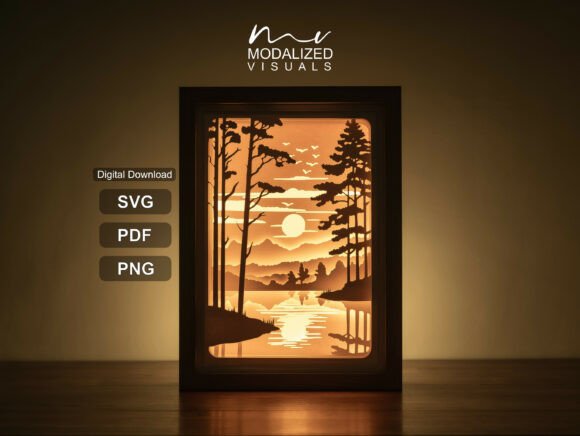
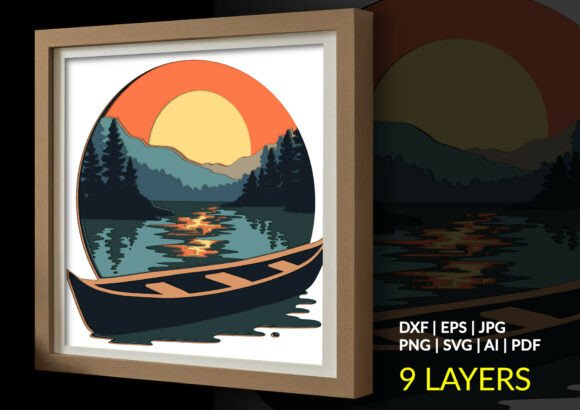
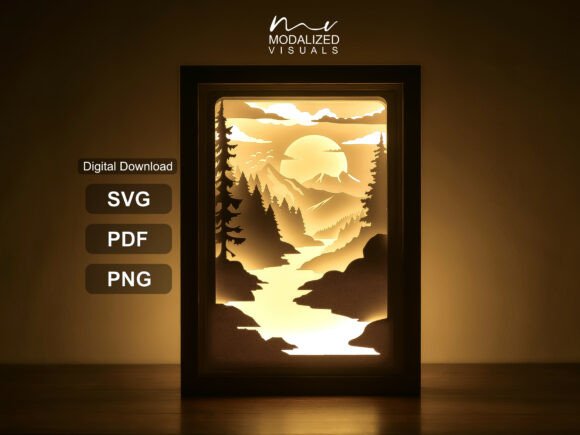
The core appeal of the Mountain River Paper Cut Lightbox lies in its construction. Unlike traditional two-dimensional prints, this artwork relies on z-axis depth. Each layer of cardstock represents a different plane of the landscape: the foreground foliage, the mid-ground riverbanks, and the distant mountain peaks. When stacked with precise spacers and backlit, these layers create a parallax effect that mimics the way our eyes perceive distance in real life.
This technique requires careful consideration of negative space. The "cuts" are just as important as the paper itself. The flowing river details, for instance, are not printed on; they are revealed by removing material to let the light shine through unobstructed. This interplay between shadow and illumination is what gives the piece its warm, inviting glow. The forest landscapes are not merely silhouettes; they are intricate networks of branches and leaves that cast complex, delicate shadows, adding texture and realism to the scene.
For those interested in the technical side, the design challenges you to think in three dimensions. You must consider how the weight of the upper layers affects the lower ones and how the spacing between sheets influences the sharpness of the shadows. Too much space, and the image becomes blurry; too little, and the depth effect is lost. Mastering this balance is where the true craftsmanship shines.
Practical Applications Across Environments
While the aesthetic value is obvious, the utility of a Mountain River Paper Cut Lightbox extends into various personal and professional spheres. Here is how different users can leverage this design:
- Home Decor and Wellness Spaces: In living rooms or bedrooms, the soft, diffused light serves as a gentle nightlight or ambient accent. The nature-inspired theme promotes relaxation, making it ideal for meditation corners or reading nooks where a calming atmosphere is prioritized.
- Handmade Gift Economy: For entrepreneurs selling on platforms like Etsy or at local craft fairs, this design offers a high-perceived-value product. Hand-assembled lightboxes command higher prices than flat prints because of the labor and skill involved. They are perfect for housewarming gifts, weddings, or corporate tokens of appreciation.
- Educational Tools: Educators can use the assembly process to teach concepts of geometry, spatial reasoning, and light physics. Students learn about layering, tolerance, and structural integrity while creating something beautiful.
- Office and Workspace Ambiance: Professionals working from home often struggle with sterile environments. Adding a warm, organic element like this lightbox can reduce visual fatigue and add a touch of personality to video call backgrounds, subtly enhancing personal branding.
Selecting Materials for Optimal Results
The success of your Mountain River Paper Cut Lightbox depends heavily on material selection. Not all cardstock is created equal. For the best illuminated effect, choose papers with a smooth finish and consistent thickness. Heavyweight cardstock (around 80-100 lb cover) is typically ideal because it holds its shape well without warping under the heat of the light source, yet it is thin enough to allow clean cuts.
Color choice also plays a pivotal role. While white paper creates a crisp, modern look, using varying shades of blue, green, or gray can enhance the atmospheric perspective. Darker foreground layers contrast beautifully with lighter background layers, reinforcing the sense of depth. However, avoid glossy papers, as they can reflect light unevenly and create hotspots rather than a diffuse glow.
When it comes to the light source, LED strips are the standard recommendation. They emit minimal heat, which is crucial for preventing paper discoloration or fire hazards over time. Ensure the LEDs are evenly spaced to avoid bright spots that distract from the intricate cut details. A dimmable controller allows you to adjust the intensity, letting you switch from a bright display piece to a subtle mood light.
Assembly Tips for a Professional Finish
Assembling the layers requires patience and precision. Rushing this stage can lead to misalignment, which breaks the illusion of depth. Start by organizing your cut layers in order. Use foam tape or specialized spacer strips to create uniform gaps between each sheet. Consistency is key; if one corner has a 5mm gap and another has 3mm, the perspective will look distorted.
Before securing the final frame, do a "dry fit." Place the layers inside the box with the light on to check alignment. Look for any stray glue residues or paper fibers that might cast unwanted shadows. Clean edges are essential for a polished look. If you notice any rough edges from the cutting process, gently sand them with fine-grit sandpaper or use a craft knife to tidy them up.
Finally, consider the frame. A deep-shadow box frame is necessary to accommodate the stacked layers. Ensure the glass or acrylic front is clean and free of fingerprints before sealing the unit. The goal is to make the technology invisible, leaving only the illusion of a glowing, miniature world.
Why This Design Resonates
The Mountain River Paper Cut Lightbox is more than a trend; it is a testament to the enduring appeal of tactile creativity. In a world that often feels chaotic and disconnected, building a peaceful nature scene layer by layer offers a meditative retreat. It reminds us that beauty often emerges from complexity, and that with the right light, even simple materials can tell a profound story.
Whether you are creating this for your own sanctuary or crafting it for a client, the process encourages mindfulness and attention to detail. It bridges the gap between traditional papercraft and modern lighting design, resulting in a piece that is both timeless and contemporary. By investing time in this project, you are not just making decor; you are curating an experience of calm and wonder.