Forest Root Vase: Crafting Organic Elegance with 3D Printing
In the evolving landscape of interior design and digital fabrication, the intersection of nature-inspired aesthetics and modern technology offers unique opportunities for creativity. The Forest Root Vase stands as a prime example of this synergy. It is not merely a container for flowers; it is a sculptural piece that brings the untamed beauty of the woodland into domestic and professional spaces. For creators, designers, and hobbyists, understanding the nuances of this design allows for the production of high-quality, meaningful decor that resonates with the growing demand for biophilic elements in our daily environments.
The Allure of Biophilic Design in Modern Decor
Biophilic design seeks to connect building occupants more closely to nature. This approach has gained significant traction in recent years, driven by studies suggesting that exposure to natural forms reduces stress and enhances well-being. The Forest Root Vase embodies this philosophy through its intricate geometry. Unlike mass-produced ceramic or glass vases, which often feature smooth, uniform surfaces, this design celebrates irregularity and organic complexity.
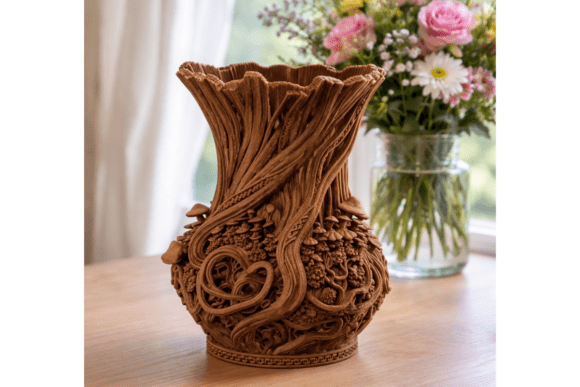
The visual appeal lies in the twisting tree roots and woodland textures that form the vessel's structure. These elements mimic the slow, deliberate growth patterns found in ancient forests. When placed on a desk, mantle, or dining table, the vase serves as a tactile reminder of the natural world. For business owners looking to enhance office ambiance, or homeowners seeking to soften minimalist interiors, such pieces provide a focal point that invites contemplation and calm.
Digital Craftsmanship: The 3D Printable Model
Creating a physical object from a digital file requires a balance of artistic vision and technical precision. The Forest Root Vase model is engineered specifically for FDM (Fused Deposition Modeling) 3D printers, the most common type of desktop 3D printer. The design process involves careful consideration of overhangs, layer adhesion, and structural integrity to ensure that the final print captures the intended aesthetic without requiring excessive support material.
Key Features of the Design
- Twisting Tree Roots: The primary structural element consists of interwoven roots that create a lattice-like appearance. This not only provides visual interest but also reduces material usage compared to a solid-walled vase.
- Woodland Textures: Surface details replicate the roughness of bark, adding depth and realism. These textures are designed to print cleanly, preserving the intricate details even at standard resolutions.
- Mushroom Details: Small, whimsical mushroom accents are integrated into the base and sides. These subtle additions enhance the enchanted forest theme, making the piece appealing to both adults and children.
- Organic Shape: The overall silhouette is asymmetrical and fluid, avoiding rigid geometric lines. This organic form ensures that each print feels unique, even when produced from the same digital file.
For those new to 3D printing, the availability of both STL and 3MF files is a significant advantage. STL files are universally compatible with almost all slicing software, while 3MF files offer improved efficiency and can store more detailed information about the model, such as color and texture data. This flexibility ensures that users can proceed with their preferred workflow regardless of their technical setup.
Practical Applications and Use Cases
The versatility of the Forest Root Vase extends beyond simple flower arrangement. Its utility and aesthetic value make it suitable for a variety of scenarios.
- Nature-Inspired Home Décor: Place the vase in a living room or bedroom to complement plant collections. It pairs exceptionally well with ferns, succulents, or dried botanicals, reinforcing the natural theme.
- Unique Handmade Gifts: In an era where personalized gifts are highly valued, a 3D-printed vase offers a thoughtful alternative to store-bought items. It demonstrates effort and creativity, making it ideal for housewarmings, birthdays, or holidays.
- Desk Displays and Office Accents: Professionals can use the vase to hold pens, pencils, or small tools. Its intricate design can serve as a conversation starter in client meetings or a source of inspiration during creative work sessions.
- Educational Projects: Educators and students can use the model to explore concepts of biomimicry, structural engineering, and digital manufacturing. Printing and assembling the vase provides hands-on experience with CAD software and slicing parameters.
Considerations for Successful Printing
While the Forest Root Vase is designed for ease of printing, achieving optimal results requires attention to detail. Understanding the limitations and strengths of your specific printer will help manage expectations.
Material Selection
The choice of filament significantly impacts the final appearance. PLA (Polylactic Acid) is recommended for its ease of use and ability to capture fine details. Matte PLA variants can enhance the bark-like texture, reducing the plastic sheen often associated with 3D prints. For outdoor use or greater durability, PETG or ASA may be considered, though these materials require higher printing temperatures and careful calibration.
Slicing Settings
To preserve the intricate forest details, users should prioritize resolution over speed. A layer height of 0.1mm to 0.2mm is ideal for balancing print time and surface quality. Infill density can be kept low (15-20%) since the root structure provides inherent strength. Support structures may be necessary for certain overhangs, depending on the printer’s capabilities. Using tree supports or custom-generated supports can minimize contact points and reduce post-processing effort.
Post-Processing Techniques
After printing, minor cleanup may be required. Removing support marks and smoothing rough edges can enhance the visual appeal. For those seeking a more authentic look, painting the vase with earth tones—browns, greens, and grays—can further emphasize the woodland aesthetic. Alternatively, leaving the print in its natural filament color highlights the layered construction, celebrating the additive manufacturing process itself.
Evaluating Suitability for Your Needs
Before downloading and printing the Forest Root Vase, consider your specific goals and resources. If you are a beginner, this model offers a moderate challenge that is rewarding without being overwhelming. The design’s tolerance for minor imperfections makes it forgiving for those still mastering their printer’s calibration.
For professionals and business owners, the model represents an opportunity to expand product offerings. Customizing the size or adding personalized engravings can create premium versions for sale. However, it is essential to respect licensing agreements and intellectual property rights when commercializing 3D printed designs.
Limitations should also be acknowledged. As a 3D printed object, the vase is not waterproof unless sealed with a food-safe epoxy or liner. Therefore, it is best suited for dried flowers or artificial arrangements unless properly treated. Additionally, the intricate details may accumulate dust over time, requiring regular gentle cleaning to maintain their appearance.
Conclusion: Embracing the Enchanted Forest
The Forest Root Vase is more than a digital file; it is a gateway to creating tangible beauty through technology. By combining the organic charm of nature with the precision of 3D printing, users can produce decor that is both visually striking and personally meaningful. Whether you are a seasoned maker or a curious novice, this project offers a satisfying blend of technical skill and artistic expression.
As you embark on your printing journey, remember that the value lies not just in the final object, but in the process of creation. Each layer deposited builds not only the vase but also your expertise and confidence. Explore the possibilities, experiment with materials and finishes, and let the enchanted forest take root in your space. For those ready to begin, the highly detailed model awaits, ready to transform raw filament into a masterpiece of modern craftsmanship.
To learn more about optimizing your 3D printing settings for detailed models, consider exploring resources on slicer software tutorials and filament guides. Engaging with online communities can also provide valuable insights and troubleshooting tips from fellow enthusiasts who share your passion for innovative design.