Crafting a 3D Red Panda Wall Decor: A Practical Guide to the DIY Papercraft PDF
In the evolving landscape of home decor, there is a growing appreciation for pieces that carry personal narrative and tactile warmth. Among the various methods to introduce character into a living space, paper engineering stands out for its accessibility and artistic potential. The Red Panda Wall Decor Papercraft DIY PDF represents a specific niche within this category, offering a structured pathway for adults to create a sophisticated three-dimensional sculpture. Unlike mass-produced resin or plastic figures, this approach allows for complete customization of materials and finish, resulting in a piece that feels uniquely crafted rather than manufactured.
For individuals evaluating creative hobbies or seeking distinctive wall art, understanding the mechanics, material requirements, and spatial implications of this project is essential. This analysis explores the practicalities of assembling a 3D paper craft Red panda, comparing it against other decorative alternatives to help you determine if this digital download aligns with your creative goals and interior design needs.
Understanding the Project Scope and Material Requirements
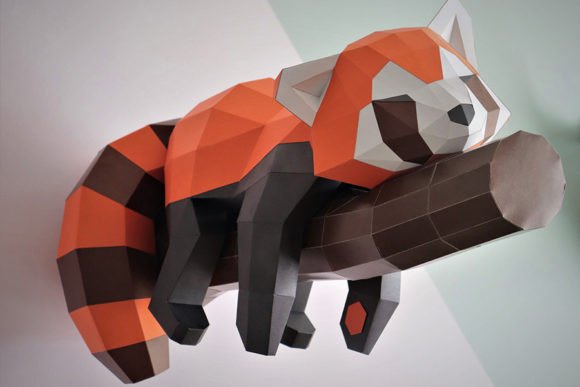
The core of this project is a digital file containing precise templates and assembly instructions. It is not a physical kit; rather, it is a resource that empowers you to source your own materials. This distinction is crucial for budget-conscious creators who may already possess basic crafting supplies. The final sculpture is substantial, with dimensions of 615 mm in length, 245 mm in width, and 367 mm in height. These proportions make it a statement piece, suitable for mounting above a sofa, on a large empty wall, or as a centerpiece on a sturdy shelf.
To achieve the intended structural integrity and visual fidelity, material selection is paramount. The design requires a total of 24 sheets of A4 paper, divided between the animal and its supporting structure. For the Red panda itself, you will need:
- 7 sheets of orange paper: This forms the primary body and fur texture.
- 6 sheets of black paper: Used for the distinctive facial markings, ears, and limbs.
- 2 sheets of brown paper: Adds depth to the torso and transitional areas.
- 1 sheet of white paper: Essential for the muzzle and inner ear details.
The supporting element, a tree branch, requires an additional 8 sheets of brown paper. Here, the choice of paper density becomes a critical technical factor. It is strongly recommended to use paper with a density of at least 200 g/m² for the branch. This heavier weight ensures the branch can support the weight of the panda without sagging or bending over time. For the panda itself, standard cardstock (typically 160–200 g/m²) works well, balancing flexibility for folding with rigidity for shape retention.
Comparing Papercraft to Other Decor Alternatives
When considering wall decor, consumers often weigh options such as framed prints, canvas art, ceramic sculptures, or pre-assembled figurines. The Red Panda Wall Decor Papercraft DIY PDF occupies a unique middle ground between flat art and solid sculpture. Understanding these differences helps in making an informed decision.
Versus Framed Prints: While prints are easy to install and require no assembly, they lack dimensional presence. A 3D paper craft casts shadows and changes appearance depending on the lighting angle, adding dynamic visual interest that flat images cannot replicate. However, prints are generally more durable in high-humidity environments and require zero maintenance.
Versus Ceramic or Resin Statues: Pre-made statues offer convenience but often come with a higher price tag and limited customization. You are stuck with the manufacturer’s color palette and finish. In contrast, the papercraft model allows you to choose the exact shade of orange or brown to match your existing decor. Furthermore, paper is significantly lighter, making it safer and easier to mount on drywall without heavy-duty anchors. The tradeoff is durability; paper is more fragile than ceramic and should be kept away from direct moisture or high-traffic areas where it might be bumped.
Versus Other Paper Crafts: Not all paper models are created equal. Some low-poly designs are overly abstract, while others are excessively complex with thousands of tiny pieces. This specific Red panda design strikes a balance. The piece count is manageable for an adult beginner or intermediate crafter, yet the geometric faceting provides a modern, stylish aesthetic that fits well in contemporary interiors. The inclusion of the tree branch adds context, turning a simple animal figure into a cohesive scene.
The Assembly Process: Tools and Time Investment
One of the appealing aspects of this digital download is the simplicity of the required tools. You do not need specialized equipment. The essentials include:
- A Printer: Capable of printing clear, high-resolution lines on A4 paper.
- Scissors or a Craft Knife: Precision cutting is key to clean edges.
- Glue: PVA glue or a glue stick works effectively. Some crafters prefer quick-dry tacky glue for faster assembly.
- Bone Folder or Ruler: Helpful for creating sharp, accurate creases.
The PDF includes easy step-by-step instructions, which is a significant value add. Poorly documented patterns can lead to frustration and wasted materials. With clear guidance, the assembly process becomes a meditative activity rather than a chore. Expect to spend several hours on the project, depending on your experience level. The process involves printing, cutting out each polygonal piece, folding along the designated lines, and gluing tabs together. This modular construction allows you to work in sessions, making it a manageable weekend project.
Evaluating Fit: When Is This the Right Choice?
Deciding whether to invest time in the Red Panda Wall Decor Papercraft DIY PDF depends on your personal preferences and environmental constraints. This project is an excellent fit if:
- You value the process as much as the result: If you enjoy hands-on activities and find satisfaction in building something from scratch, this offers a rewarding creative outlet.
- You seek customizable decor: You can experiment with different paper textures, such as metallic, matte, or patterned stocks, to create a unique look that complements your specific interior style.
- You have limited wall-loading capacity: Since the final product is lightweight paper, it is ideal for renters or those who cannot drill large holes in their walls.
- You appreciate modern, geometric aesthetics: The low-poly style of the 3D paper craft Red panda aligns well with minimalist and Scandinavian design trends.
Conversely, this may not be the ideal solution if:
- You live in a high-humidity environment: Paper can warp or degrade in damp conditions unless sealed with a protective spray, which may alter the texture.
- You have limited patience for detail work: While not overly complex, the project requires precision. Rushing the cutting or gluing stages can result in misaligned facets.
- You need immediate decor: As a DIY project, it requires time for printing, assembly, and drying. It is not an instant fix for an empty wall.
Making an Informed Decision
The Red Panda Wall Decor Papercraft DIY PDF offers a compelling blend of artistic expression and practical home decoration. It democratizes the creation of high-end looking decor by providing professional-grade templates that anyone with basic tools can execute. By choosing this route, you gain control over the final appearance, ensuring the piece integrates seamlessly with your home’s color scheme and style.
Before proceeding, assess your available workspace and time. Ensure you have access to a reliable printer and quality paper, particularly the heavier stock for the branch. Consider the placement of the final piece; its substantial size means it will command attention, so choose a location where its geometric details can be appreciated. If you are looking for a project that combines mindfulness, creativity, and tangible results, this 3D paper craft represents a thoughtful and engaging option. It transforms simple sheets of paper into a lasting decorative element, bridging the gap between hobbyist craft and interior design.