Choosing the Right Layered Paper Craft: An In-Depth Look at the Born to Ride Card SVG
For enthusiasts of paper crafting and digital design, selecting the right project file is about more than just aesthetics; it is about understanding the technical requirements, material costs, and assembly complexity involved. The Born to Ride Card SVG represents a specific niche within the layered card genre, combining intricate mechanical details with scenic elements. This article explores the distinct features of this design, compares it to alternative crafting approaches, and helps you determine if this specific format aligns with your current skill level and resource availability.
Understanding the Design Architecture
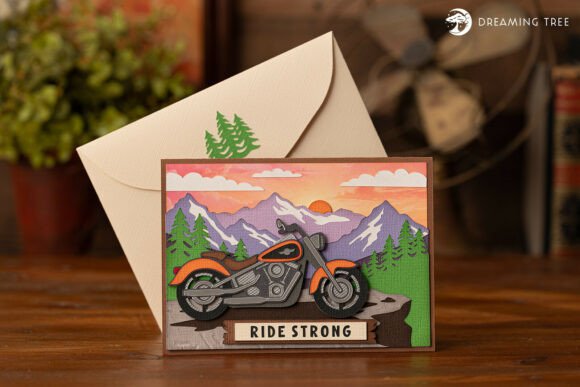
The Born to Ride Card is characterized by a bold, layered motorcycle design set against a scenic mountain backdrop. Unlike flat printed cards or simple single-layer cutouts, this project relies on depth and dimension. The design utilizes rich colors and strong layering to create a three-dimensional effect that mimics the visual weight of a classic road trip. When evaluating this SVG, it is essential to recognize that it is not merely a graphic but a structural blueprint for a physical object.
The final assembled dimensions are approximately 5 inches in height by 7 inches in width. While these dimensions are standard for greeting cards, the depth added by the multiple layers means the card requires careful handling and potentially custom envelopes. The design is optimized for 12x12 cutting machines, which is a critical consideration for users with smaller desktop cutters. Although resizing is possible, altering the scale significantly can impact the structural integrity of the tiny details, such as the motorcycle spokes or the distant mountain ridges.
Material Requirements and Color Strategy
One of the most significant factors in choosing a layered SVG project is the material investment. The Born to Ride Card SVG is not a monochromatic design; it demands a diverse palette to achieve its intended visual impact. The provided PDF legend serves as a crucial tool here, helping crafters map specific design elements to paper colors. A typical build requires:
- Two sheets of 12x12 Vanilla Ice Cream cardstock for the base and background layers.
- Multiple 8.5x11 sheets in specialized colors including Aster, Brownie, Goldfish, Jet Black, Larkspur, Lead, Mocha, Parsley, and Shark Skin.
This variety highlights a key tradeoff. On one hand, the multi-color approach allows for a vibrant, realistic finish that single-color designs cannot match. On the other hand, it requires access to a wide range of paper stocks. For crafters who prefer minimalism or have limited paper collections, this requirement might be a barrier. However, for those who enjoy curating color palettes, the design offers a rewarding challenge in color theory and contrast management.
Comparing Layered SVGs to Alternative Formats
When deciding whether to proceed with the Born to Ride Card SVG, it is helpful to compare it with other common crafting formats. Understanding these differences ensures you select a project that fits your time constraints and tool capabilities.
Layered SVGs vs. Print-and-Cut Designs
Print-and-cut designs involve printing a full-color image onto cardstock and then cutting out the shape. The primary advantage of print-and-cut is speed and color complexity without the need for multiple paper sheets. However, the Born to Ride Card SVG offers superior texture. The physical layering creates shadows and depth that ink cannot replicate. If your goal is a tactile, premium feel suitable for a milestone birthday or a serious enthusiast, the layered SVG is the superior choice. If you need to produce twenty identical cards in an hour, a print-and-cut alternative may be more practical.
Layered SVGs vs. Simple Die-Cuts
Simple die-cuts usually involve one or two layers and are often produced using metal dies rather than digital files. While die-cuts are excellent for consistency and speed, they lack the customization potential of an SVG. With the Born to Ride design, you have full control over every color element. You can swap the "Jet Black" motorcycle for a deep blue or change the "Parsley" mountains to a sunset orange. This flexibility is a major strength for crafters who want to personalize each card for different recipients.
Technical Compatibility and Workflow
The file format is SVG only, accompanied by a PDF legend. This setup is fully compatible with all major SVG-ready cutting machines and software, including Cricut Design Space, Silhouette Studio, and Adobe Illustrator. For users new to digital crafting, the inclusion of a step-by-step video tutorial is a significant value-add. Assembly of layered cards can be confusing without visual guidance, particularly when dealing with small, overlapping pieces like the motorcycle wheels and handlebars.
It is important to note that while the design is compatible with various software platforms, the user experience may vary. Some software handles complex layered files better than others. Users should ensure their software is updated to handle multiple layers efficiently to avoid alignment issues during the cutting process. Additionally, because the design is dense, using a high-quality blade and appropriate mat settings is crucial to prevent tearing, especially with thinner cardstocks.
Evaluating the Time Investment
A realistic assessment of any crafting project must include time. The Born to Ride Card SVG is not a quick craft. The cutting process alone involves multiple mats and color changes. Following the cut, the assembly requires precision. Each layer must be adhered correctly to maintain the dimensional effect. For an experienced crafter, this might take one to two hours. For a beginner, it could take significantly longer.
This time investment is justified if the card is intended for a special occasion where the recipient values handmade effort. However, if you are looking for a last-minute solution or a bulk production project, this design may not be the most efficient option. It is best suited for situations where quality and personalization outweigh speed.
When Is This Design the Right Choice?
The Born to Ride Card is an ideal selection for specific scenarios. It is particularly well-suited for:
- Motorcycle Enthusiasts: The detailed bike design appeals directly to riders who appreciate the mechanics and culture of motorcycling.
- Milestone Birthdays: The substantial feel and visual complexity make it appropriate for significant ages or achievements.
- Crafters Seeking Skill Development: Those looking to improve their layering and assembly techniques will find this project challenging yet manageable with the provided tutorial.
- Gift-Givers Valuing Uniqueness: Since each card is handmade, no two are exactly alike, adding a personal touch that store-bought cards lack.
Potential Limitations and Considerations
Despite its strengths, there are limitations to consider. The reliance on specific paper colors means that if you do not have the exact shades listed, you must spend time sourcing them or adapting the design. Substituting colors can alter the intended aesthetic, potentially reducing the contrast between the foreground motorcycle and the background scenery. Furthermore, the 5x7 inch size, while standard, may require purchasing non-standard envelopes if the depth of the layers prevents the card from lying flat.
Additionally, the complexity of the design means that errors in cutting or assembly are more visible than in simpler projects. A misaligned wheel or a glue smudge on the mountain backdrop can detract from the overall polish. Patience and a clean workspace are essential prerequisites for success with this file.
Making an Informed Decision
Ultimately, the decision to use the Born to Ride Card SVG depends on your priorities. If you value depth, customization, and a high-end handmade appearance, and you have the necessary materials and time, this design is an excellent choice. It offers a professional result that stands out in a sea of flat, mass-produced greetings. However, if you prioritize speed, simplicity, or minimal material usage, you may want to explore simpler single-layer designs or print-and-cut alternatives.
By weighing the technical requirements against your available resources and desired outcome, you can ensure that your crafting experience is both enjoyable and successful. The Born to Ride design is a testament to the potential of digital cutting technology, bridging the gap between digital precision and tactile artistry. For those willing to invest the effort, it provides a rewarding creative process and a memorable final product.